Begin with surfaces and use
List walls, ceilings, trim, doors and built-ins separately. Kitchens, hallways and children’s rooms may have different cleaning and durability priorities than a quiet bedroom.
A homeowner’s guide to interior painting scope, surface preparation, finish selection and room-by-room decisions in Ottawa.
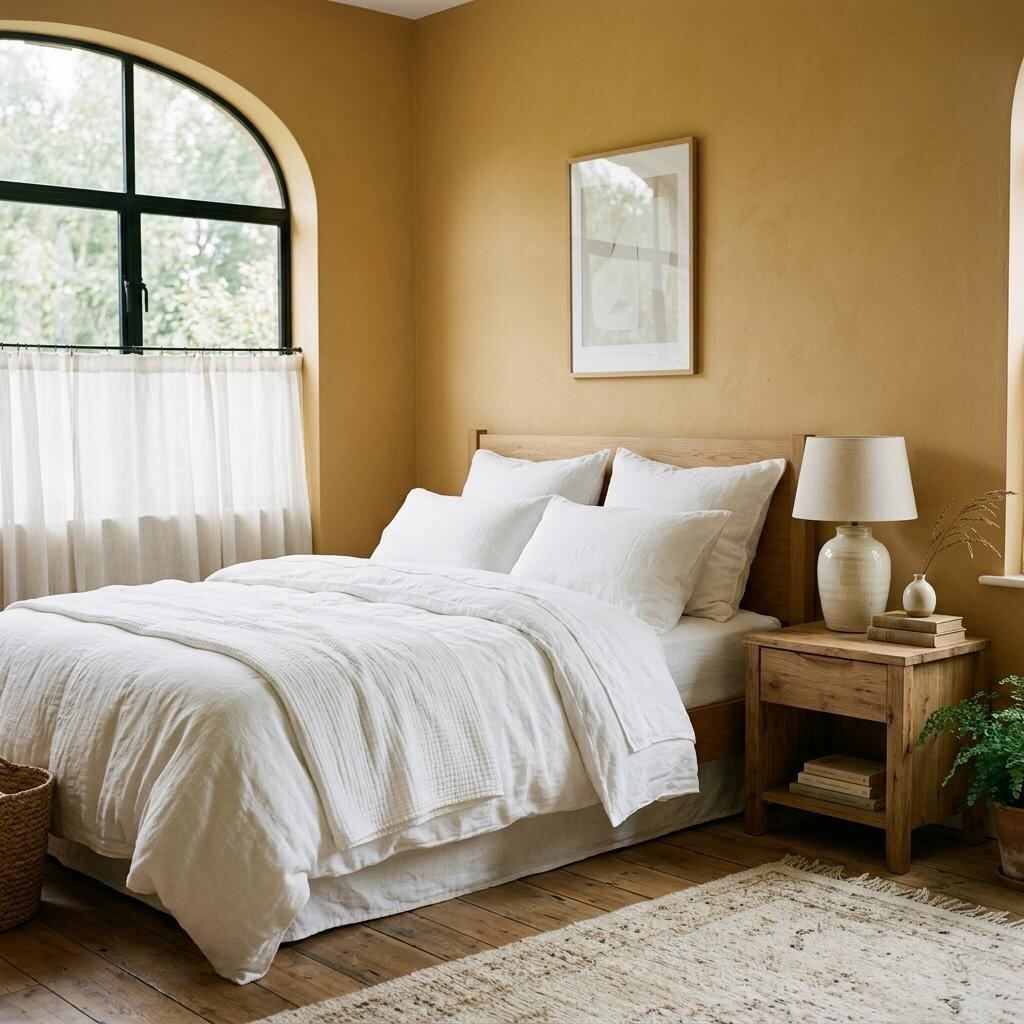
List walls, ceilings, trim, doors and built-ins separately. Kitchens, hallways and children’s rooms may have different cleaning and durability priorities than a quiet bedroom.
Ottawa daylight changes with season and orientation. Test samples on more than one wall and review them in daylight and evening light beside floors, counters and textiles.
Ask about filling, sanding, caulking, spot priming, protection and furniture movement. A written scope should say what is included and what requires approval.
Connected rooms read as one view. Decide where each colour stops, whether ceilings stay white, and whether trim is unified across the floor.
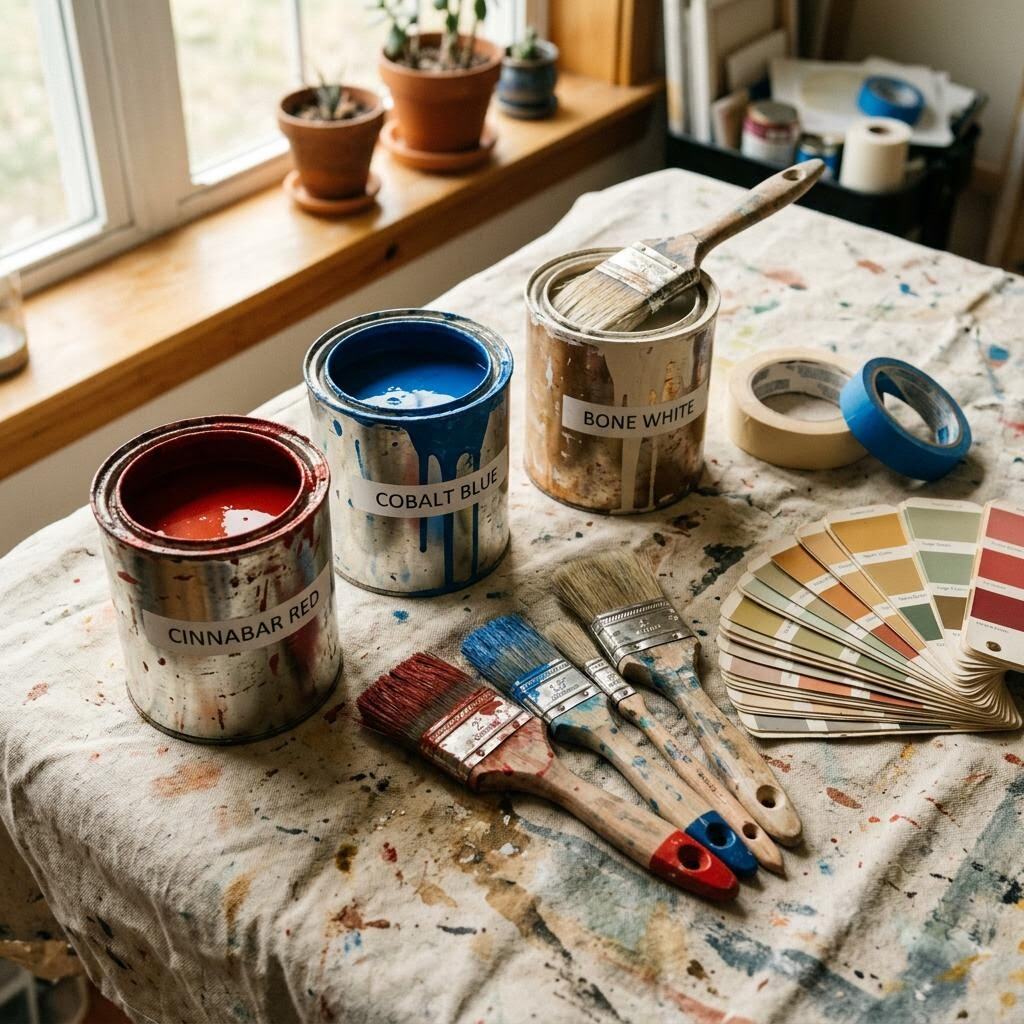
Send your project details by email through the inquiry form, or copy and download a brief for your own records.